
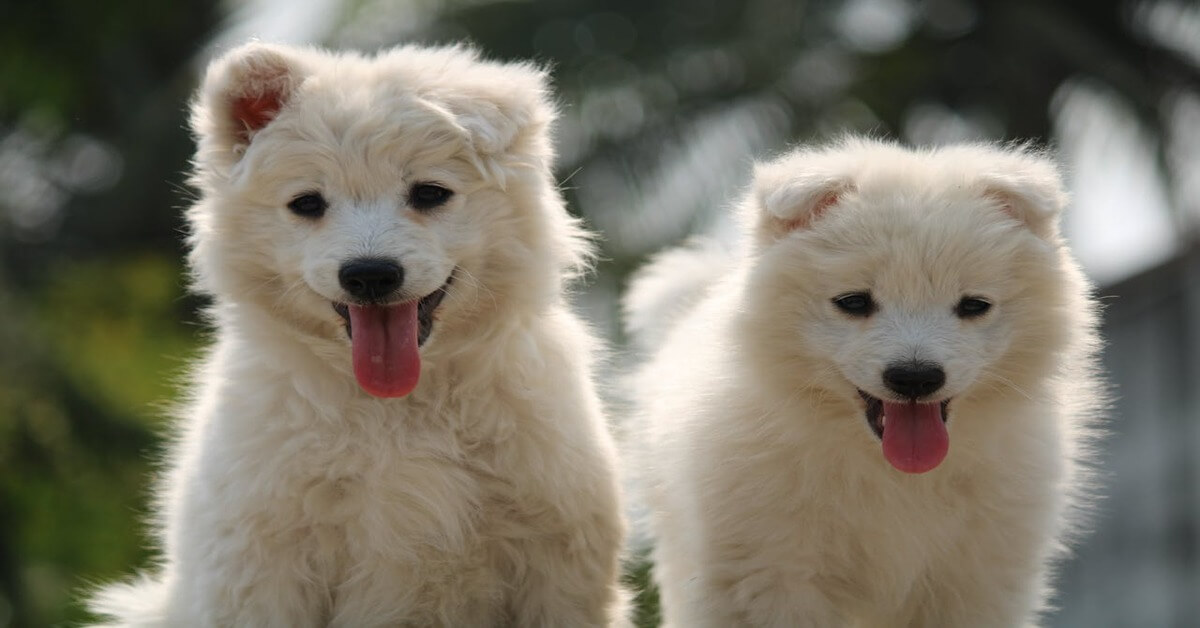
"Hund" is masculine in German — the correct article is der. The plural is die Hunde (no Umlaut). In English, Hund means "dog". The female dog is die Hündin.
Gender rule: Many animal names in German are masculine by default. The plural adds -e without an Umlaut: Hund → Hunde (not "Hünde"). See all patterns in the German Article Rules.
"Der Hund" is probably the most well-known German animal noun — essential A1 vocabulary that appears in every beginner textbook. It's also one of the first words learners use to practice cases because it's so common in everyday sentences. For more animal words, check out the full animal vocabulary list. Below you'll find the full declension, example sentences, and a quiz.
Hund — Declension Table
| Case | Singular | Plural |
|---|---|---|
| Nominative | der Hund | die Hunde |
| Genitive | des Hundes | der Hunde |
| Dative | dem Hund | den Hunden |
| Accusative | den Hund | die Hunde |
Example Sentences with Hund
Der Hund liegt auf dem Sofa.
(The dog is lying on the sofa.) — Nominative
Mein Nachbar füttert den Hund jeden Morgen.
(My neighbor feeds the dog every morning.) — Accusative
Ich gebe dem Hund frisches Wasser.
(I give the dog fresh water.) — Dative
Die Leine des Hundes hängt an der Tür.
(The dog's leash is hanging on the door.) — Genitive
Die Hunde spielen zusammen im Park.
(The dogs are playing together in the park.) — Nominative Plural
Sie hat den Hunden Leckerlis gegeben.
(She gave the dogs treats.) — Dative Plural
Related Vocabulary & Compounds
Word family (Wortfamilie): die Hündin (female dog), hündisch (dog-like — adjective)
Related Vocabulary (Verwandtes Vokabular): der Welpe (puppy)
Common compounds (Komposita): der Schäferhund (German Shepherd), der Blindenhund (guide dog), die Hundehütte (doghouse), die Hundeleine (dog leash), die Hundehaltung (dog ownership), das Hundefutter (dog food), der Hundesitter (dog sitter)
Common Mistake with Hund
❌ Common mistake: Meine Nachbarn haben zwei sehr große Hünde.
✅ Correct: Meine Nachbarn haben zwei sehr große Hunde.
💡 Why: The plural of "Hund" is die Hunde — with -e but no Umlaut. "Hünde" does not exist. Don't confuse the plural with the feminine form die Hündin (female dog) — the ü belongs to the feminine suffix -in, not to the plural. Compare: der Fuchs → die Füchse (with Umlaut), but der Hund → die Hunde (without Umlaut). Each noun must be learned individually.
Quick Quiz: Test Your Knowledge
Can you get all three right? Apply what you've learned above.
1. Das Spielzeug ___ Hund___ liegt im Garten.
- A) des Hund
- B) des Hundes
- C) dem Hund
Check Answer
The genitive shows possession (whose toy?). Masculine genitive = des + noun adds -es: des Hundes. Short one-syllable nouns typically add -es (not just -s).
2. Das Kind spielt mit ___ Hund im Garten.
- A) den Hund
- B) der Hund
- C) dem Hund
Check Answer
"Mit" is a dative preposition — it always requires the dative case. Masculine dative = dem: dem Hund.
3. Das ist ein sehr freundlich___ Hund.
- A) -e
- B) -er
- C) -en
Check Answer
After an indefinite article in the nominative masculine, the adjective ending is -er: ein freundlicher Hund. This is because "ein" doesn't show the masculine gender, so the adjective must do it with -er. Compare feminine: eine freundliche Katze.
Want to practice more nouns like this? The Article Trainer has 600+ nouns — including animal vocabulary and common masculine nouns.
More Animal Nouns
- die Katze — the cat
- das Pferd — the horse
- die Maus — the mouse
- der Vogel — the bird
- der Wolf — the wolf
- der Elefant — the elephant
- der Löwe — the lion
- der Schmetterling — the butterfly
For more animal words, explore the full animal vocabulary list or browse the vocabulary overview.
Is it der, die, or das Hund? Practice makes perfect.
The Article Trainer gives you 600+ nouns to drill — including animal vocabulary and common masculine nouns. Pick the article, get instant feedback, and stop guessing.
Practice German Articles →Frequently Asked Questions
Is Hund masculine, feminine, or neuter in German?
Hund is masculine — the correct article is der. Many common animal names in German are masculine by default (der Hund, der Wolf, der Vogel). If you specifically mean a female dog, use die Hündin. See all gender rules in the Article Rules.
What is the plural of Hund?
The plural is die Hunde — add -e, no Umlaut. Don't write "Hünde" — that form doesn't exist. The Umlaut only appears in the feminine form die Hündin (female dog), not in the plural.
What is the most famous German saying with Hund?
One of the most well-known German expressions is "Da liegt der Hund begraben" — literally "That's where the dog is buried," meaning "That's the root of the problem." Another common one: "Vor die Hunde gehen" (to go to the dogs), meaning to fall into ruin. Germans love dog-related idioms.
What is the difference between Hund and Welpe?
Der Hund means "dog" (any age) and is masculine. Der Welpe means "puppy" (young dog) and is also masculine — but be careful, "Welpe" follows the N-Deklination (den Welpen, dem Welpen, des Welpen). The female dog is die Hündin, and a female puppy can be called die Welpin (though this is rarely used).