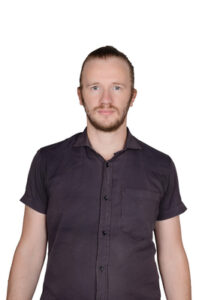

"Gesicht" is neuter in German — the correct article is das. The plural is die Gesichter. In English, Gesicht means "face".
Gender rule: das Gesicht is neuter. Body part nouns in German have mixed genders — der Finger, die Hand, das Gesicht — so there is no reliable ending-based rule here. The safest approach is always to learn every noun with its article from the start. See all gender patterns in the Article Rules and a full overview at the german articles.
Das Gesicht is an A1 vocabulary word that every German learner needs from day one. It comes up in everyday descriptions, emotions, and reactions — and is a good example for the neuter declension pattern with an -er plural: die Gesichter. Understanding how cases work with neuter nouns like das Gesicht is an important step at A1 level. This article covers the full declension, example sentences, word family, a common mistake, and a short quiz. For more body part nouns, also see der Finger and der Arm.
Gesicht — Declension Table
| Case | Singular | Plural |
|---|---|---|
| Nominative | das Gesicht | die Gesichter |
| Genitive | des Gesichtes | der Gesichter |
| Dative | dem Gesicht | den Gesichtern |
| Accusative | das Gesicht | die Gesichter |
Example Sentences with Gesicht
Ihr Gesicht leuchtet vor Freude, als sie die Nachricht liest.
(Her face lights up with joy as she reads the news.) — Nominative
Er wäscht das Gesicht jeden Morgen mit kaltem Wasser.
(He washes his face every morning with cold water.) — Accusative
Sie presst das Tuch sanft an ihr Gesicht, um die Wunde zu kühlen.
(She presses the cloth gently against her face to cool the wound.) — Accusative
Die Falten des Gesichtes erzählen von einem langen, erfüllten Leben.
(The wrinkles of the face tell of a long, fulfilling life.) — Genitive
Die Gesichter der Kinder strahlten vor Aufregung.
(The faces of the children beamed with excitement.) — Nominative Plural
In den Gesichtern der Zuschauer spiegelte sich pure Begeisterung.
(Pure enthusiasm was reflected in the faces of the audience.) — Dative Plural
Related Words & Compounds
Word family (Wortfamilie):
- das Gesichtchen — little face (diminutive)
Common compounds (Komposita):
- der Gesichtsausdruck — facial expression
- die Gesichtsfarbe — complexion
- die Gesichtszüge (plural) — facial features
- der Gesichtspunkt — point of view / aspect (also used figuratively)
Common Mistake with Gesicht
❌ Common mistake: Die Gesichte der Kinder strahlten vor Freude.
✅ Correct: Die Gesichter der Kinder strahlten vor Freude.
💡 Why: The plural of das Gesicht is die Gesichter — add -er. The form Gesichte does technically exist as an archaic or literary plural (meaning "visions"), but it is not the standard modern plural for "faces". In everyday German, always use die Gesichter.
Quick Quiz: Test Your Knowledge
Can you get all three right? Apply what you've learned above.
1. Er wäscht ___ Gesicht mit kaltem Wasser.
- A) dem
- B) des
- C) das
Check Answer
The verb waschen (to wash) takes a direct object — what does he wash? His face. Direct objects use the accusative case. For neuter nouns, the accusative article is das — identical to the nominative. Option A) dem is dative. Option B) des is genitive.
2. Die Falten ___ Gesichtes erzählen von einem langen Leben.
- A) der
- B) dem
- C) des
Check Answer
"Die Falten ___ Gesichtes" — whose wrinkles? The face's. This is a possession relationship expressed with the genitive case. For neuter nouns, the genitive article is des and the noun adds -es: des Gesichtes. Option A) der is the genitive article for feminine nouns. Option B) dem is dative.
3. In dem müd___ Gesicht war die Erschöpfung deutlich zu sehen.
- A) -e
- B) -er
- C) -en
Check Answer
After a definite article in the dative, the adjective ending is always -en — for all three genders: in dem müden Gesicht. The definite article dem already carries the dative signal, so the adjective takes the weak ending -en. Option A) -e is used after a definite article in nominative/accusative neuter. Option B) -er is the strong ending for masculine nominative without an article.
Want to drill more nouns like this? The Article Trainer gives you 600+ nouns to practice — pick the article, get instant feedback, and stop guessing.
More Body Part Nouns
- der Arm — the arm
- der Bauch — the belly / stomach
- das Bein — the leg
- der Finger — the finger
- der Kopf — the head
- die Hand — the hand
- die Schulter — the shoulder
For the full list with articles and plurals, see the Body Parts Vocabulary page. You can also browse more topic-based word lists in the German Vocabulary Overview and test yourself with the Vocabulary Quizzes.
Is it der, die, or das Gesicht? Practice makes perfect.
The Article Trainer gives you 600+ nouns to drill — from everyday vocabulary to family, food, and much more. Pick the article, get instant feedback, and stop guessing.
Practice German Articles →Frequently Asked Questions
Is Gesicht masculine, feminine, or neuter in German?
Gesicht is neuter — the correct article is das. Body part nouns in German have mixed genders, so there is no reliable rule to predict them. The best habit is always to learn every noun with its article from the start. For a full overview of gender patterns, see the Article Rules.
What is the plural of Gesicht in German?
The plural is die Gesichter — add -er. Do not use Gesichte as the everyday plural — this archaic form survives only in literary contexts with the meaning "visions". In the dative plural, a further -n is added: den Gesichtern.
What is the difference between Gesicht and Antlitz in German?
Das Gesicht is the standard, everyday word for face and is used at all levels of language. Das Antlitz is a literary or elevated synonym — it carries a formal, poetic tone and appears mainly in literature, religious texts, and elevated prose. In everyday spoken German, Antlitz would sound very unusual; Gesicht is always the right choice.
What is the genitive of das Gesicht?
The genitive singular is des Gesichtes — the shorter form des Gesichts is equally correct standard German. For neuter nouns, as for masculine nouns, the genitive singular adds -es or -s. See the Cases Overview for more detail.