
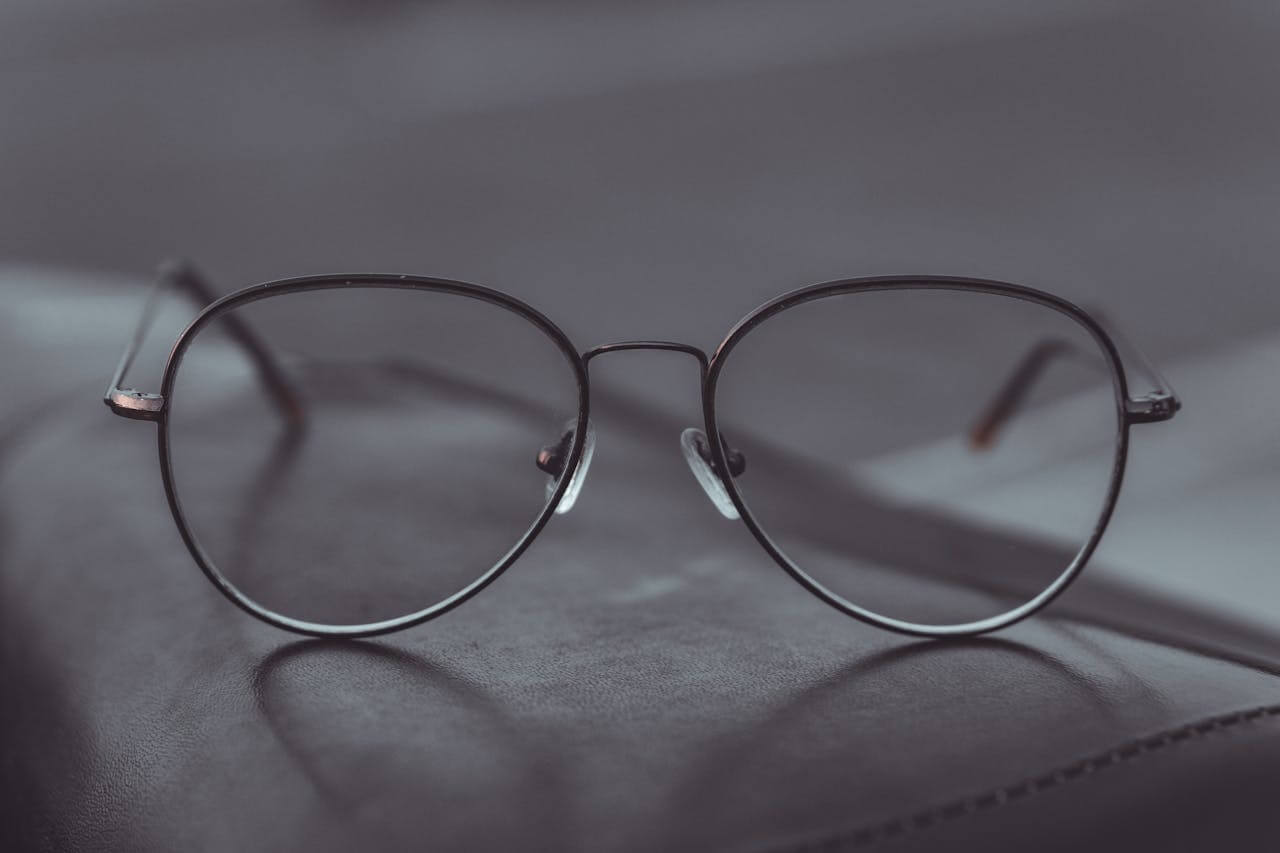
Brille is feminine in German — the correct article is die. The plural is die Brillen. In English, Brille means glasses or spectacles.Die Brille is an everyday word that most learners encounter at A2–B1 level. One important difference to English: in German, Brille is singular — while English always says "glasses" (plural), German says die Brille (singular). Below you'll find the full declension, example sentences, and a quiz.
Gender rule: Nouns ending in -e are usually feminine in German (die Brille, die Bluse, die Jacke). This is one of the most reliable gender patterns. See all gender patterns in the Article Rules and a full overview at the German Articles.
Brille — Declension Table
| Case | Singular | Plural |
|---|---|---|
| Nominative | die Brille | die Brillen |
| Genitive | der Brille | der Brillen |
| Dative | der Brille | den Brillen |
| Accusative | die Brille | die Brillen |
Example Sentences with Brille
Die Brille liegt auf dem Nachttisch.
(The glasses are on the nightstand.) — Nominative
Er hat die Brille beim Optiker abgeholt.
(He picked up the glasses at the optician's.) — Accusative
Mit der neuen Brille kann sie viel besser sehen.
(She can see much better with the new glasses.) — Dative
Die Gläser der Brille sind zerkratzt.
(The lenses of the glasses are scratched.) — Genitive
Die Brillen in der Auslage sehen sehr modern aus.
(The glasses in the display look very modern.) — Nominative Plural
Mit den neuen Brillen sind alle Kunden zufrieden.
(All customers are happy with the new glasses.) — Dative Plural
Related Words & Compounds
Word family (Wortfamilie): Brille comes from the mineral Beryll (beryl), which was historically used for lenses — there is no productive German word family.
Common compounds (Komposita): die Sonnenbrille (sunglasses), die Lesebrille (reading glasses), die Schwimmbrille (swimming goggles), das Brillenetui (glasses case), das Brillengestell (glasses frame)
Common Mistake with Brille
❌ Common mistake: Die Brille sind schmutzig.
✅ Correct: Die Brille ist schmutzig.
💡 Why: In English, "glasses" is always plural. In German, die Brille is singular — so the verb must be ist, not "sind." If you're talking about multiple pairs, use the plural: Die Brillen sind schmutzig.
Quick Quiz: Test Your Knowledge
Can you get all three right? Apply what you've learned above.
1. Die Gläser ___ Brille müssen gereinigt werden.
- A) die Brille
- B) der Brille
- C) dem Brille
Check Answer
"Die Gläser der Brille" — the genitive shows possession (the lenses of what?). Feminine genitive = der: der Brille.
2. Sie hat ___ Brille im Auto vergessen.
- A) der Brille
- B) dem Brille
- C) die Brille
Check Answer
"Vergessen" takes an accusative object (what did she forget?). Feminine accusative = die: die Brille.
3. Er hat die kaputt___ Brille zum Optiker gebracht.
- A) -e
- B) -en
- C) -er
Check Answer
After the definite article die in the accusative feminine, the adjective ending is -e: die kaputte Brille.
Want to practice more nouns like this? The Article Trainer has 600+ nouns to drill — including everyday vocabulary. Pick the article, get instant feedback, and stop guessing.
More Clothing & Accessories Nouns
- der Anzug — the suit
- die Badehose — the swim trunks
- der Bikini — the bikini
- die Bluse — the blouse
- das Hemd — the shirt
- die Hose — the pants
- das Kleid — the dress
For more clothing words, check out the German clothing vocabulary list or browse the full grammar overview.
Is it der, die, or das? Practice makes perfect.
The Article Trainer gives you 600+ nouns to drill — including everyday vocabulary. Pick the article, get instant feedback, and stop guessing.
Practice German Articles →Frequently Asked Questions
Is Brille masculine, feminine, or neuter in German?
Brille is feminine — the correct article is die. This follows the general rule that most German nouns ending in -e are feminine (die Brille, die Bluse, die Hose). Since this isn't a universal rule, it's best to learn the article together with the noun.
What is the plural of Brille?
The plural is die Brillen. Like most feminine nouns ending in -e, the plural is formed by adding -n. In the dative plural: den Brillen.
Is Brille singular or plural in German?
Unlike English, where "glasses" is always plural, die Brille is singular in German. One pair of glasses = die Brille. Multiple pairs = die Brillen. This is a common source of confusion: Die Brille ist teuer (singular), not "Die Brille sind teuer."
What are common types of Brille in German?
German uses compounds to describe different types of glasses: die Sonnenbrille (sunglasses), die Lesebrille (reading glasses), die Schwimmbrille (swimming goggles). All of these are feminine because the last component — Brille — is feminine. This compound rule applies to all German nouns: the last word determines the gender.