
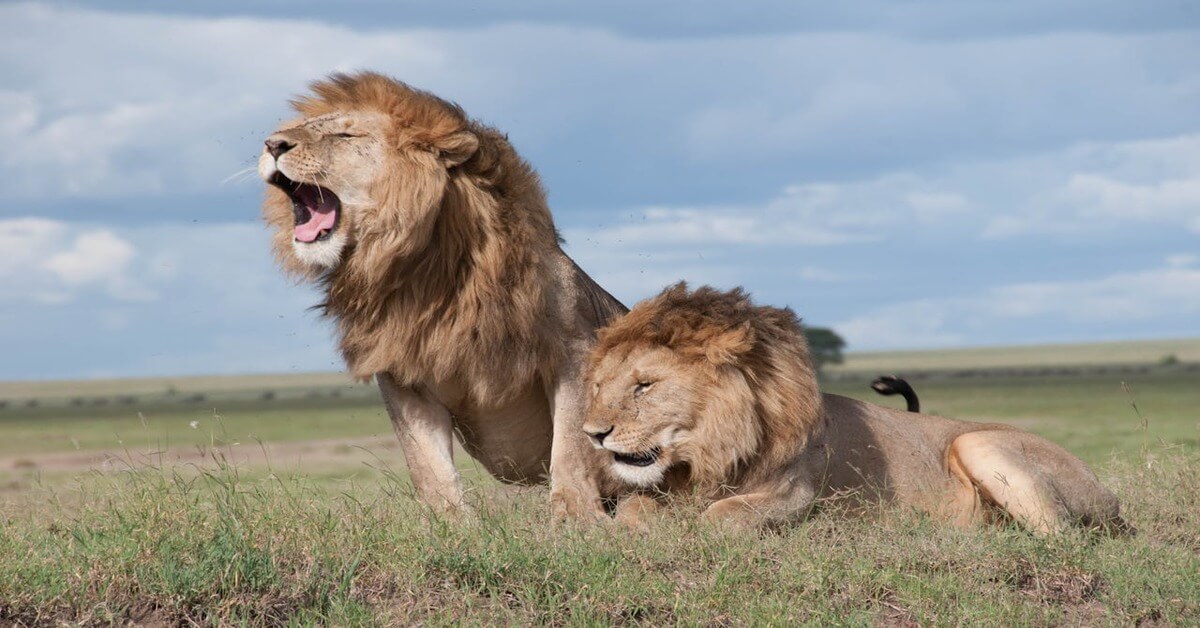
"Löwe" is masculine in German — the correct article is der. The plural is die Löwen (add -n). In English, Löwe means "lion". The female lion is die Löwin.
Gender rule: Many large predator names are masculine in German — der Löwe, der Tiger, der Wolf. Important: Löwe follows the N-Deklination (weak declension), so it adds -n in all cases except the nominative singular. See all gender patterns in the Article Rules and a full overview at the German articles.
Der Löwe is A1–A2 vocabulary and one of the most well-known animal nouns in German. Like der Elefant, it follows the N-Deklination — a pattern where the noun changes its ending in almost every case. Getting this right is one of the key steps from A1 to A2. Below you'll find the full declension table, example sentences, a common mistake to avoid, and a short quiz.
Löwe — Declension Table
| Case | Singular | Plural |
|---|---|---|
| Nominative | der Löwe | die Löwen |
| Genitive | des Löwen | der Löwen |
| Dative | dem Löwen | den Löwen |
| Accusative | den Löwen | die Löwen |
Example Sentences with Löwe
Der Löwe liegt ruhig im Schatten eines Baumes.
(The lion is lying calmly in the shade of a tree.) — Nominative
Die Touristen fotografieren den Löwen von weitem.
(The tourists photograph the lion from a distance.) — Accusative
Der Ranger gibt dem Löwen jeden Tag frisches Fleisch.
(The ranger gives the lion fresh meat every day.) — Dative
Die Mähne des Löwen ist dunkel und sehr dicht.
(The lion's mane is dark and very thick.) — Genitive
Die Löwen ruhen in der Mittagshitze zusammen.
(The lions rest together in the midday heat.) — Nominative Plural
Der Forscher folgt den Löwen durch die Savanne.
(The researcher follows the lions through the savannah.) — Dative Plural
Related Words & Compounds
Word family (Wortfamilie): die Löwin (lioness), löwenhaft (lion-like — adjective)
Common compounds (Komposita): das Löwenjunge (lion cub), die Löwenmähne (lion's mane), das Löwenmaul (snapdragon / lion's mouth), der Löwenanteil (lion's share — idiom), der Löwenzahn (dandelion — literally "lion's tooth"), das Löwenrudel (pride of lions)
Common Mistake with Löwe
❌ Common mistake: Die Mähne des Löwens ist beeindruckend.
✅ Correct: Die Mähne des Löwen ist beeindruckend.
💡 Why: Because Löwe follows the N-Deklination, the genitive is des Löwen — not des Löwens. The ending -ns does not exist in the N-Deklination. It only appears in a small group of mixed nouns like der Name → des Namens. For all other N-Deklination nouns — including Löwe and Elefant — the genitive ending is simply -n or -en.
Quick Quiz: Test Your Knowledge
Can you get all three right? Apply what you've learned above.
1. Das Kind sieht ___ Löw___ zum ersten Mal im Zoo.
- A) der Löwe
- B) den Löwen
- C) den Löwe
Check Answer
"Sehen" (to see) takes the accusative. Masculine accusative = den. Because Löwe follows the N-Deklination, the noun adds -n: den Löwen. Option C) is wrong — it uses the accusative article but forgets to add the -n ending to the noun.
2. Das Futter gehört ___ Löw___ .
- A) dem Löwe
- B) dem Löwen
- C) den Löwen
Check Answer
"Gegenüber" (opposite / across from) always takes the dative. Masculine dative = dem. With N-Deklination, the noun adds -n: dem Löwen. Option A) has the right article but misses the obligatory -n ending — a very typical mistake with N-Deklination nouns.
3. Das ist ein sehr mächtig___ Löwe.
- A) -e
- B) -en
- C) -er
Check Answer
After an indefinite article in the nominative with a masculine noun, the adjective ending is -er: ein mächtiger Löwe. Because ein doesn't carry a gender signal, the adjective must show it with -er. Compare: feminine eine starke Katze (-e), neuter ein starkes Pferd (-es).
Want to drill more nouns like this? The Article Trainer gives you 600+ nouns to practice — pick the article, get instant feedback, and stop guessing.
More Animal Nouns
- der Hund — the dog
- die Katze — the cat
- das Pferd — the horse
- die Maus — the mouse
- der Elefant — the elephant
- der Tiger — the tiger
- die Giraffe — the giraffe
- das Krokodil — the crocodile
For more animal words, explore the full animal vocabulary list.
Is it der, die, or das Löwe? Practice makes perfect.
The Article Trainer gives you 600+ nouns to drill — including animal vocabulary and much more. Pick the article, get instant feedback, and stop guessing.
Practice German Articles →Frequently Asked Questions
Is Löwe masculine, feminine, or neuter in German?
Löwe is masculine — the correct article is der. It follows the N-Deklination, which means the noun adds -n in all cases except the nominative singular. If you specifically mean a female lion, use die Löwin. See all gender patterns in the Article Rules.
What is the plural of Löwe?
The plural is die Löwen — add -n to the singular. This follows directly from the N-Deklination pattern. In the dative plural, no extra -n is needed since the noun already ends in -n: den Löwen.
What is the genitive of Löwe — des Löwen or des Löwens?
The correct genitive is des Löwen — not des Löwens. Because Löwe follows the N-Deklination, it adds only -n in the genitive, just like in all other non-nominative forms. The ending -ns belongs to a small group of mixed nouns like der Name → des Namens, but not to Löwe.
What is the difference between Löwe and Löwin?
Der Löwe refers to a lion in general or specifically a male lion, while die Löwin is the female lion (lioness). The suffix -in is the standard way to form the feminine of many masculine animal nouns in German — the same pattern appears in der Hund → die Hündin and der Elefant → die Elefantin. Note that Löwin is a regular feminine noun and does not follow the N-Deklination.