
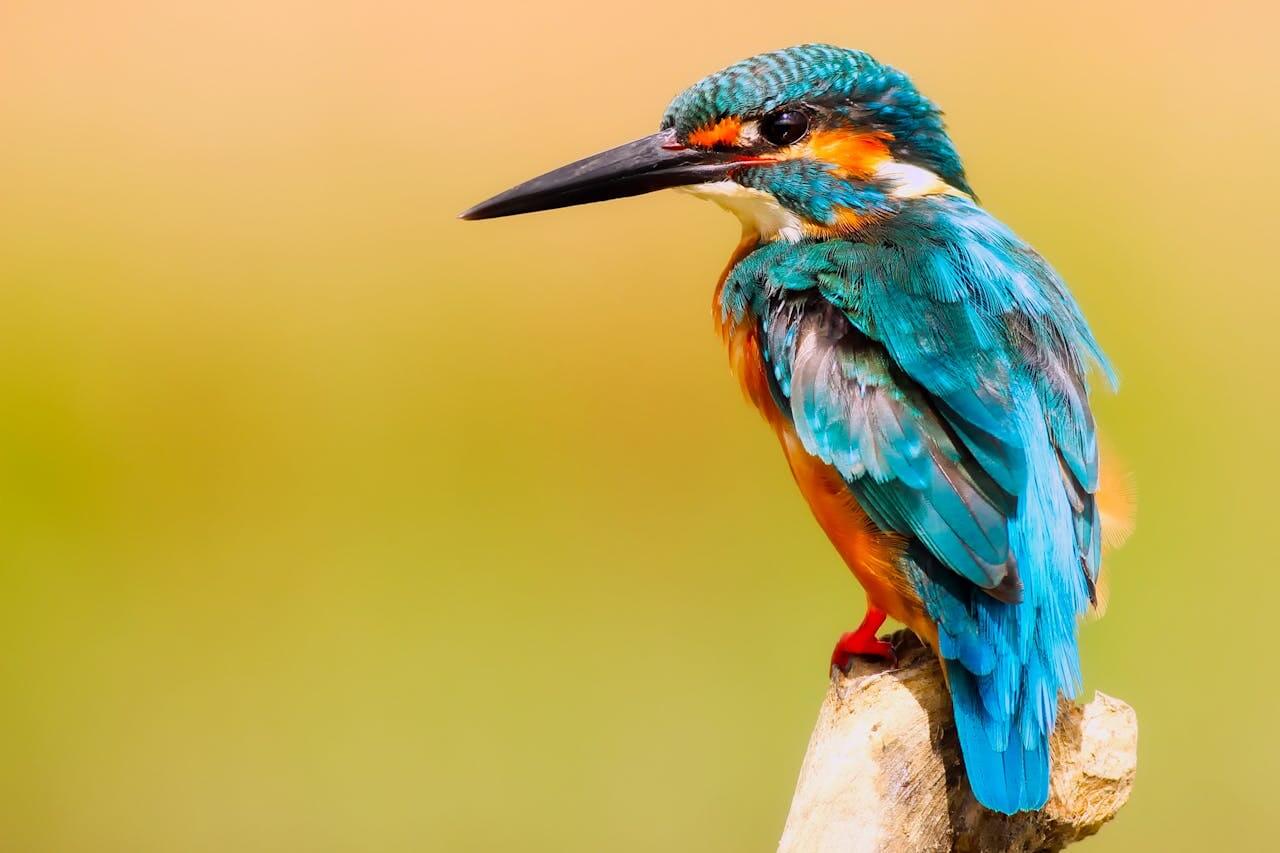
"Vogel" is masculine in German — the correct article is der. The plural is die Vögel — note the Umlaut! In English, Vogel means "bird".
Gender rule: The gender of animal nouns in German often has to be memorised individually. Der Vogel is masculine — the same as der Hund and der Elefant. The plural adds an Umlaut: Vogel → Vögel. See all gender patterns in the Article Rules and a full overview at the German articles.
Der Vogel is essential A1 vocabulary and one of the most common animal nouns in German. It also makes a great example for practising Umlaut plurals — one of the trickier plural patterns that learners often get wrong. Below you'll find the full declension table, example sentences, a common mistake to avoid, and a short quiz.
Vogel — Declension Table
| Case | Singular | Plural |
|---|---|---|
| Nominative | der Vogel | die Vögel |
| Genitive | des Vogels | der Vögel |
| Dative | dem Vogel | den Vögeln |
| Accusative | den Vogel | die Vögel |
Example Sentences with Vogel
Der Vogel sitzt auf dem Fensterbrett und singt laut.
(The bird is sitting on the windowsill and singing loudly.) — Nominative
Das Kind beobachtet den Vogel durch das Fernglas.
(The child observes the bird through the binoculars.) — Accusative
Sie streut dem Vogel täglich Körner auf die Terrasse.
(She scatters seeds on the terrace for the bird every day.) — Dative
Die Federn des Vogels glänzen in der Morgensonne.
(The bird's feathers shine in the morning sun.) — Genitive
Die Vögel fliegen im Herbst in den Süden.
(The birds fly south in autumn.) — Nominative Plural
Der Forscher legt den Vögeln Futter in die Nähe des Nestes.
(The researcher places food near the nest for the birds.) — Dative Plural
Related Words & Compounds
Word family (Wortfamilie): das Vögelchen (little bird — diminutive, neuter because of -chen)
Compound adjectives: vogelfrei (outlawed — literally "free as a bird" in archaic law)
Common compounds (Komposita): das Vogelnest (bird's nest), der Vogelkäfig (birdcage), der Vogelzug (bird migration), die Vogelgrippe (bird flu), der Vogelbeobachter (birdwatcher)
Common Mistake with Vogel
❌ Common mistake: Im Garten sitzen drei bunte Vogeln.
✅ Correct: Im Garten sitzen drei bunte Vögel.
💡 Why: The plural of der Vogel is die Vögel — the vowel gets an Umlaut (o → ö) and no ending is added. The form Vogeln only exists in the dative plural: den Vögeln. Using Vogeln as a general plural is wrong. Compare: die Maus → die Mäuse (Umlaut + -e), but der Vogel → die Vögel (Umlaut only). Each noun's plural must be learned individually.
Quick Quiz: Test Your Knowledge
Can you get all three right? Apply what you've learned above.
1. Die Farben ___ Vogel___ sind sehr leuchtend.
- A) der Vogel
- B) des Vogels
- C) dem Vogel
Check Answer
2. Das Kind streckt die Hand aus und berührt den Vogel sanft.
Which case is den Vogel in this sentence?
- A) Nominative
- B) Dative
- C) Accusative
Check Answer
"Berühren" (to touch) is a transitive verb — it takes a direct object in the accusative. For masculine nouns, the accusative article is den: den Vogel. The nominative would be der Vogel (subject), and the dative dem Vogel (indirect object).
3. Er fotografiert den bunt___ Vogel im Park.
- A) -e
- B) -er
- C) -en
Check Answer
After a definite article in the accusative with a masculine noun, the adjective ending is -en: den bunten Vogel. The definite article already carries the gender and case signal, so the adjective takes the weak ending -en. Compare nominative masculine: der bunte Vogel (-e).
Want to drill more nouns like this? The Article Trainer gives you 600+ nouns to practice — pick the article, get instant feedback, and stop guessing.
More Animal Nouns
- der Hund — the dog
- die Katze — the cat
- das Pferd — the horse
- die Maus — the mouse
- das Kaninchen — the rabbit
- der Elefant — the elephant
- der Bär — the bear
- der Affe — the monkey
For more animal words, explore the full animal vocabulary list.
Is it der, die, or das Vogel? Practice makes perfect.
The Article Trainer gives you 600+ nouns to drill — including animal vocabulary and much more. Pick the article, get instant feedback, and stop guessing.
Practice German Articles →Frequently Asked Questions
Is Vogel masculine, feminine, or neuter in German?
Vogel is masculine — the correct article is der. The gender of animal nouns in German often has to be memorised individually. In the genitive singular, the noun adds -s: des Vogels. See all gender patterns in the Article Rules.
What is the plural of Vogel?
The plural is die Vögel — the vowel o gets an Umlaut to become ö, with no extra ending added. Do not write Vogeln as a general plural — that form only exists in the dative plural: den Vögeln.
What is the difference between Vogel and Vögelchen?
Der Vogel is the standard word for bird and is masculine. Das Vögelchen is the diminutive form — it means "little bird" and is neuter because all nouns ending in -chen are neuter in German. Vögelchen is often used affectionately, for example when talking to children or describing a particularly small bird.
Why does the plural of Vogel have an Umlaut?
The Umlaut plural (o → ö) is one of several plural patterns in German that simply have to be learnt per noun — there is no rule that reliably predicts which nouns take an Umlaut. The best strategy is to always learn a noun together with its plural form and article from the start. Other Umlaut plurals you may know: die Maus → die Mäuse, der Vater → die Väter.