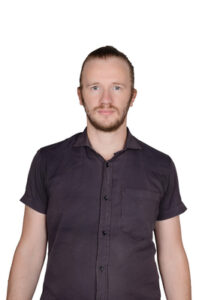
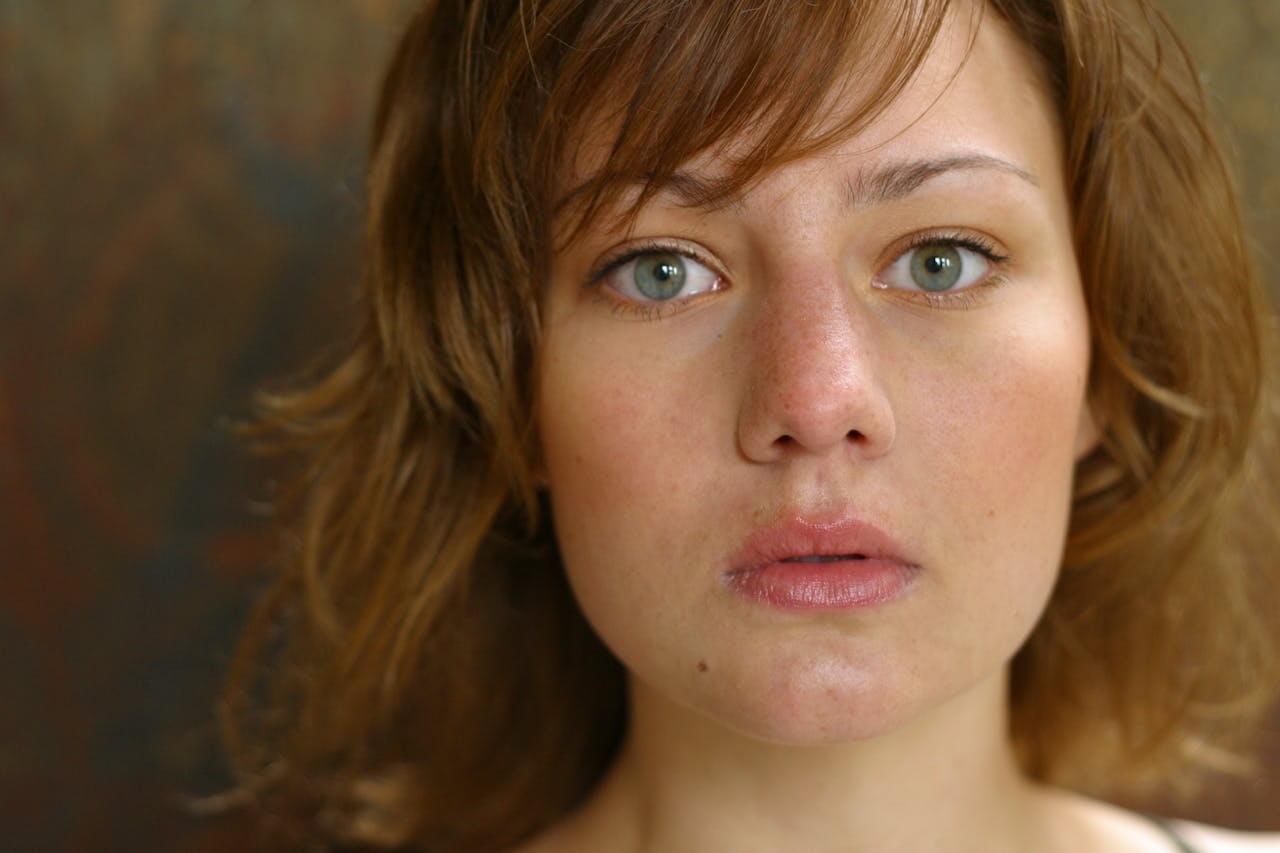
"Kopf" is masculine in German — the correct article is der. The plural is die Köpfe. In English, Kopf means "head".
Gender rule: der Kopf is masculine. Body part nouns in German have mixed genders — der Kopf, die Hand, das Knie — so there is no reliable ending-based rule here. The safest approach is always to learn every noun with its article from the start. See all gender patterns in the Article Rules and a full overview at the german articles.
Der Kopf is an A1 vocabulary word that every German learner needs from the very beginning. It appears in everyday contexts — from descriptions and directions to a wide range of idiomatic expressions — and is a good example of the masculine declension pattern with an umlaut plural: die Köpfe. Understanding how cases work with masculine nouns like der Kopf is an important step at A1 level. For more body part nouns, also see der Hals and das Gesicht.
Kopf — Declension Table
| Case | Singular | Plural |
|---|---|---|
| Nominative | der Kopf | die Köpfe |
| Genitive | des Kopfes | der Köpfe |
| Dative | dem Kopf | den Köpfen |
| Accusative | den Kopf | die Köpfe |
Example Sentences with Kopf
Sein Kopf schmerzt nach dem langen Tag vor dem Bildschirm.
(His head aches after the long day in front of the screen.) — Nominative
Sie dreht den Kopf zur Seite, als sie ein Geräusch hinter sich hört.
(She turns her head to the side when she hears a noise behind her.) — Accusative
Er lehnt mit dem Kopf gegen das Kissen und schläft sofort ein.
(He leans his head against the pillow and falls asleep immediately.) — Dative
Die Größe des Kopfes bestimmt, welche Helmgröße man braucht.
(The size of the head determines which helmet size one needs.) — Genitive
Alle Köpfe im Saal drehten sich zur Tür, als der Redner eintrat.
(All heads in the room turned to the door as the speaker entered.) — Nominative Plural
In den Köpfen der Schüler spukten die Melodien des Konzerts noch lange nach.
(The melodies of the concert lingered in the students' heads for a long time.) — Dative Plural
Related Words & Compounds
Word family (Wortfamilie):
- das Köpfchen — little head (diminutive; also used figuratively for cleverness)
- köpfen — to behead; also to head a ball in football (verb)
Common compounds (Komposita):
- die Kopfschmerzen (plural) — headache
- das Kopfkissen — pillow
- der Kopfhörer — headphones
- die Kopfzeile — header (in a document)
Common Mistake with Kopf
❌ Common mistake: Ich habe zwei Kopfs gezeichnet.
✅ Correct: Ich habe zwei Köpfe gezeichnet.
💡 Why: The plural of der Kopf is die Köpfe — not Kopfs. The -s plural is rare in German and mostly limited to certain loanwords like das Auto → die Autos. Native German nouns like der Kopf follow standard plural patterns — in this case, add an umlaut and -e: die Köpfe.
Quick Quiz: Test Your Knowledge
Can you get all three right? Apply what you've learned above.
1. Die Größe ___ Kopfes bestimmt die richtige Helmgröße.
- A) dem
- B) der
- C) des
Check Answer
"Die Größe ___ Kopfes" — whose size? The head's. This is a possession relationship expressed with the genitive case. For masculine nouns, the genitive article is des and the noun adds -es: des Kopfes. Option A) dem is dative. Option B) der is the genitive article for feminine nouns.
2. Sie dreht ___ Kopf zur Seite, um besser zu hören.
- A) der
- B) dem
- C) den
Check Answer
The verb drehen (to turn) takes a direct object — what does she turn? Her head. Direct objects use the accusative case. For masculine nouns, the accusative article is den: den Kopf. Option A) der is nominative. Option B) dem is dative.
3. Er hat einen groß___ Kopf.
- A) -er
- B) -e
- C) -en
Check Answer
After an indefinite article in the accusative with a masculine noun, the adjective ending is -en: einen großen Kopf. The indefinite article einen already carries the masculine accusative signal, so the adjective takes the weak ending -en. Option A) -er is the strong ending for masculine nominative without an article. Option B) -e is used after a definite article in nominative/accusative feminine or neuter.
Want to drill more nouns like this? The Article Trainer gives you 600+ nouns to practice — pick the article, get instant feedback, and stop guessing.
More Body Part Nouns
- der Arm — the arm
- der Bauch — the belly / stomach
- das Bein — the leg
- der Finger — the finger
- das Gesicht — the face
- der Hals — the neck / throat
- die Hand — the hand
- das Herz — the heart
- die Haut — the skin
- das Knie — the knee
- der Knochen — the bone
For the full list with articles and plurals, see the Body Parts Vocabulary page. You can also browse more topic-based word lists in the German Vocabulary Overview and test yourself with the Vocabulary Quizzes.
Is it der, die, or das Kopf? Practice makes perfect.
The Article Trainer gives you 600+ nouns to drill — from everyday vocabulary to family, food, and much more. Pick the article, get instant feedback, and stop guessing.
Practice German Articles →Frequently Asked Questions
Is Kopf masculine, feminine, or neuter in German?
Kopf is masculine — the correct article is der. Body part nouns in German have mixed genders, so there is no reliable rule to predict them. The best habit is always to learn every noun with its article from the start. For a full overview of gender patterns, see the Article Rules.
What is the plural of Kopf in German?
The plural is die Köpfe — the vowel takes an umlaut (o → ö) and -e is added. Do not use Kopfs — the -s plural does not apply to native German nouns like der Kopf. In the dative plural, a further -n is added: den Köpfen.
What is the difference between Kopf and Haupt in German?
Der Kopf is the standard, everyday word for head and is used in all normal contexts. Das Haupt is a literary or elevated synonym — it appears mainly in formal texts, poetry, and fixed expressions such as das Staatsoberhaupt (head of state) or aufs Haupt schlagen. In everyday spoken German, Haupt would sound very unusual; Kopf is always the right choice.
What is the genitive of der Kopf?
The genitive singular is des Kopfes. Masculine nouns add -es or -s in the genitive singular — for der Kopf, the longer form des Kopfes is standard in written German. See the Cases Overview for more detail.