
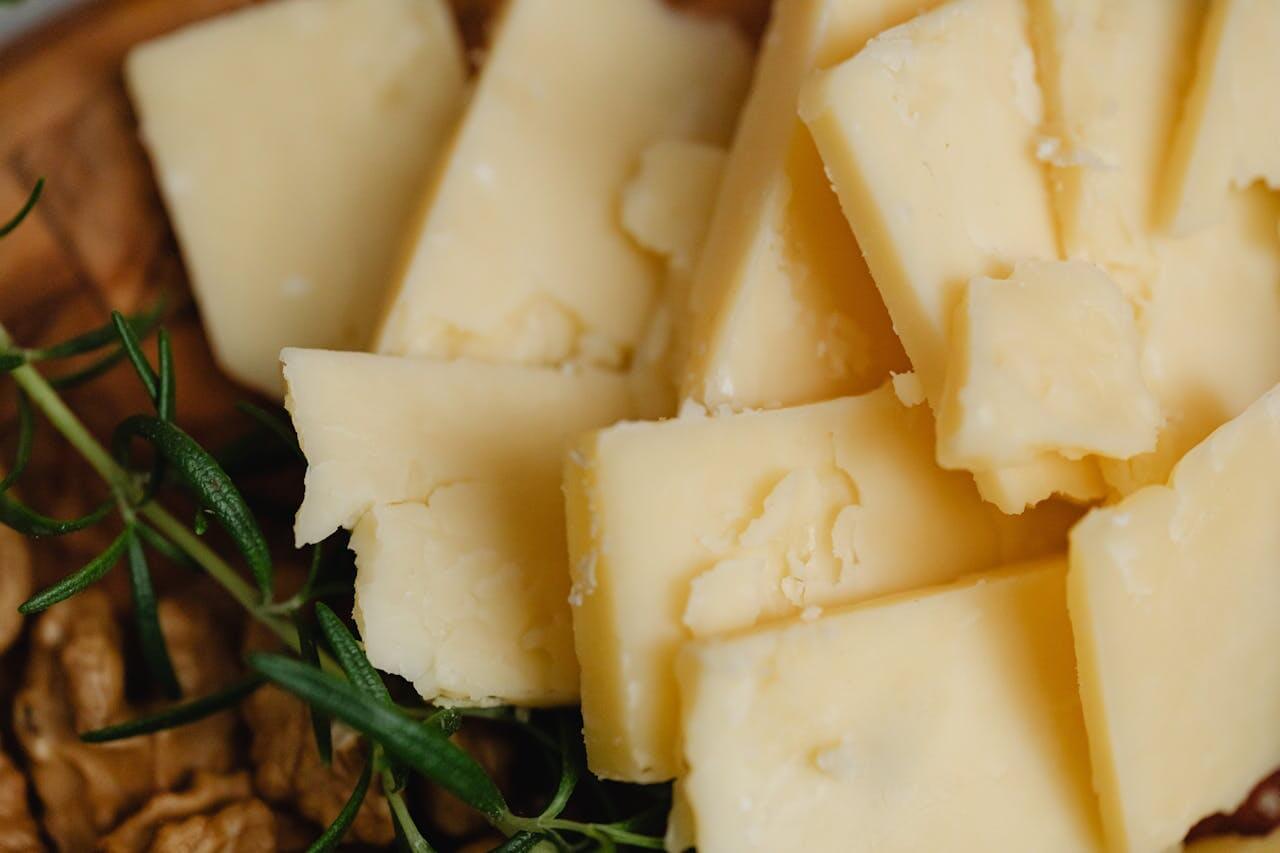
Käse is masculine in German — the correct article is der. The plural is die Käse. In English, Käse translates to cheese.Der Käse is a staple of the German food and drinks vocabulary. Whether you are having breakfast or a traditional evening meal, this word is essential for A1 learners. Below you'll find the full declension, example sentences, and a quiz.
Gender rule: Although many nouns ending in -e are feminine, Käse is a notable and important exception that is masculine. See all gender patterns in the Article Rules and a full overview at the German Articles.
Käse — Declension Table
| Case | Singular | Plural |
|---|---|---|
| Nominative | der Käse | die Käse |
| Genitive | des Käses | der Käse |
| Dative | dem Käse | den Käsen |
| Accusative | den Käse | die Käse |
Example Sentences with Käse
Der Käse aus der Schweiz ist sehr beliebt.
(The cheese from Switzerland is very popular.) — Nominative
Ich kaufe den Käse immer frisch auf dem Markt.
(I always buy the cheese fresh at the market.) — Accusative
Sie isst ihr Brot am liebsten mit dem Käse.
(She prefers to eat her bread with the cheese.) — Dative
Der Geruch des Käses ist ziemlich stark.
(The smell of the cheese is quite strong.) — Genitive
Die Käse in dieser Theke sehen alle köstlich aus.
(The cheeses in this counter all look delicious.) — Nominative Plural
Bei den Käsen gibt es große preisliche Unterschiede.
(There are large price differences among the cheeses.) — Dative Plural
Related Words & Compounds
Word family (Wortfamilie): käsig (cheesy / pale — adjective)
Common compounds (Komposita): der Käsekuchen (cheesecake), das Käsebrot (cheese sandwich), die Käsesorte (type of cheese), der Käselaib (wheel of cheese)
Common Mistake with Käse
❌ Common mistake: Die Käsen sind im Kühlschrank.
✅ Correct: Die Käse sind im Kühlschrank.
💡 Why: The plural of der Käse is exactly the same as the singular: die Käse. You only add an "-n" in the dative plural case (den Käsen). Using "die Käsen" as the subject in a sentence is grammatically incorrect.
Quick Quiz: Test Your Knowledge
Can you get all three right? Apply what you've learned above.
1. Die Qualität ___ ist für dieses Rezept sehr wichtig.
- A) den Käse
- B) dem Käse
- C) des Käses
Check Answer
"Die Qualität des Käses" — the genitive case shows possession or attribution (the quality of what?). Masculine genitive = des + noun adds -s: des Käses.
2. Er reibt ___ über die Nudeln.
- A) den Käse
- B) dem Käse
- C) der Käse
Check Answer
"Reiben" (to grate) takes a direct object in the accusative case. Masculine accusative = den: den Käse.
3. Ein alt___ Käse hat oft ein sehr starkes Aroma.
- A) -e
- B) -er
- C) -en
Check Answer
After the indefinite article ein in the nominative masculine, the adjective ending is -er: ein alter Käse. The adjective takes over the gender signal that "ein" doesn't show.
Want to practice more nouns like this? The Article Trainer has 600+ nouns to drill — including everyday vocabulary. Pick the article, get instant feedback, and stop guessing.
More Food Nouns & Vocabulary
- das Brot — the bread
- die Butter — the butter
- der Apfel — the apple
- die Banane — the banana
- die Orange — the orange
- der Schinken — the ham
For more themed vocabulary lists, explore the Vocabulary overview list, practice with the food and drinks vocabulary, or browse the full grammar overview to master your German cases and vocabulary.
Is it der, die, or das? Practice makes perfect.
The Article Trainer gives you 600+ nouns to drill — including everyday vocabulary. Pick the article, get instant feedback, and stop guessing.
Practice German Articles →Frequently Asked Questions
Is Käse masculine, feminine, or neuter in German?
Käse is masculine — the correct article is der. This is a very common trap for beginners because a vast majority of German nouns ending in -e are feminine (like die Banane or die Tomate). Der Käse is a major exception to that rule, so you must memorize its gender. Any compound word ending in Käse also becomes masculine (e.g., der Frischkäse, der Schafskäse).
What is the plural of Käse in German?
The plural is die Käse. The word remains identical to the singular form in the nominative, accusative, and genitive cases. Only in the dative plural do you add an extra -n (den Käsen).
How do you say cheese sandwich in German?
A cheese sandwich is called das Käsebrot. It inherits its neuter gender from the base word das Brot.