
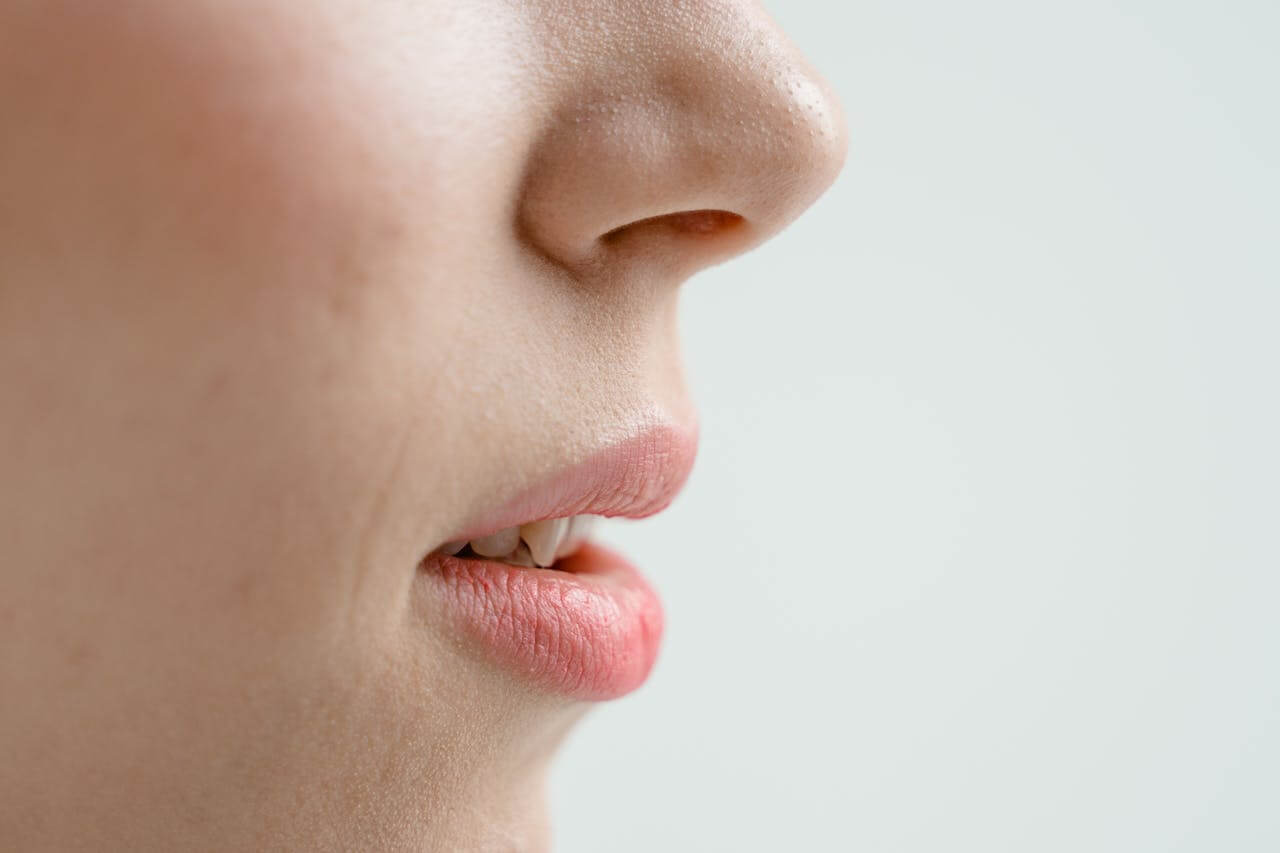
"Nase" is feminine in German — the correct article is die. The plural is die Nasen. In English, Nase means "nose".
Gender rule: die Nase is feminine. Nouns ending in -e are very often feminine in German, and die Nase follows this pattern exactly. The same applies to die Blume (flower) and die Schule (school). See all gender patterns in the Article Rules and a full overview at the german articles.
Die Nase is an A1 vocabulary word that every German learner needs from the very beginning. Like all feminine nouns, die Nase never changes its form in the singular — only the article does. The plural is die Nasen — simply add -n, with no umlaut. Understanding how cases work with feminine nouns like die Nase is an important step at A1 level. For more body part nouns, also see das Gesicht and der Kopf.
Nase — Declension Table
| Case | Singular | Plural |
|---|---|---|
| Nominative | die Nase | die Nasen |
| Genitive | der Nase | der Nasen |
| Dative | der Nase | den Nasen |
| Accusative | die Nase | die Nasen |
Example Sentences with Nase
Ihre Nase ist nach der Erkältung noch leicht verstopft.
(Her nose is still slightly blocked after the cold.) — Nominative
Er wischt sich die Nase mit einem Taschentuch.
(He wipes his nose with a handkerchief.) — Accusative
Sie spürte den eiskalten Wind an der Nase, als sie aus dem Haus trat.
(She felt the icy cold wind on her nose as she stepped out of the house.) — Dative
Die Spitze der Nase war nach dem langen Spaziergang im Frost gerötet.
(The tip of the nose was red after the long walk in the frost.) — Genitive
Die Nasen der Kinder liefen in der Kälte ununterbrochen.
(The children's noses ran constantly in the cold.) — Nominative Plural
An den Nasen der Schlittenhunde hingen kleine Eiskristalle.
(Small ice crystals hung from the sled dogs' noses.) — Dative Plural
Related Words & Compounds
Word family (Wortfamilie):
- das Näschen — little nose (diminutive)
- näseln — to speak with a nasal twang (verb)
Common compounds (Komposita):
- das Nasenloch — nostril
- die Nasenspitze — tip of the nose
- das Nasenbluten — nosebleed
- der Nasenstüber — flick on the nose; also used figuratively for a rebuff
Common Mistake with Nase
❌ Common mistake: Die Kinder haben rote Näsen.
✅ Correct: Die Kinder haben rote Nasen.
💡 Why: The plural of die Nase is die Nasen — not Näsen. Unlike nouns such as die Hand → die Hände, the plural of Nase does not take an umlaut. It simply adds -n: die Nasen. This is the standard plural pattern for feminine nouns ending in -e.
Quick Quiz: Test Your Knowledge
Can you get all three right? Apply what you've learned above.
1. Er wischt sich ___ Nase mit einem Taschentuch.
- A) der
- B) dem
- C) die
Check Answer
The verb wischen (to wipe) takes a direct object — what does he wipe? His nose. Direct objects use the accusative case. For feminine nouns, the accusative article is die — identical to the nominative. Option A) der is the genitive/dative article for feminine nouns. Option B) dem is the dative article for masculine and neuter nouns.
2. Die Spitze ___ Nase war nach dem Spaziergang gerötet.
- A) die
- B) dem
- C) der
Check Answer
"Die Spitze ___ Nase" — whose tip? The nose's. This is a possession relationship expressed with the genitive case. For feminine nouns, the genitive article is der — and the noun itself stays unchanged: der Nase. Option A) die is nominative/accusative. Option B) dem is the dative article for masculine and neuter nouns.
3. Er erkennt sie an der lang___ Nase.
- A) -e
- B) -er
- C) -en
Check Answer
After a definite article in the dative, the adjective ending is always -en — for all three genders: an der langen Nase. The definite article der already carries the dative signal, so the adjective takes the weak ending -en. Option A) -e is used after a definite article in nominative/accusative feminine. Option B) -er is the strong ending for masculine nominative without an article.
Want to drill more nouns like this? The Article Trainer gives you 600+ nouns to practice — pick the article, get instant feedback, and stop guessing.
More Body Part Nouns
- der Arm — the arm
- der Bauch — the belly / stomach
- das Bein — the leg
- der Finger — the finger
- das Gesicht — the face
- der Hals — the neck / throat
- die Hand — the hand
- das Herz — the heart
- die Haut — the skin
- das Knie — the knee
- der Knochen — the bone
- der Kopf — the head
- der Muskel — the muscle
For the full list with articles and plurals, see the Body Parts Vocabulary page. You can also browse more topic-based word lists in the German Vocabulary Overview and test yourself with the Vocabulary Quizzes.
Is it der, die, or das Nase? Practice makes perfect.
The Article Trainer gives you 600+ nouns to drill — from everyday vocabulary to family, food, and much more. Pick the article, get instant feedback, and stop guessing.
Practice German Articles →Frequently Asked Questions
Is Nase masculine, feminine, or neuter in German?
Nase is feminine — the correct article is die. Nouns ending in -e are very often feminine in German, and die Nase follows this pattern. In the genitive and dative singular, the article changes to der — but the noun itself stays unchanged. For a full overview of gender patterns, see the Article Rules.
What is the plural of Nase in German?
The plural is die Nasen — simply add -n. There is no umlaut change — do not write Näsen. This is the standard plural pattern for feminine nouns ending in -e. In the dative plural, no extra -n is added because the plural already ends in -n: den Nasen.
What is the difference between Nase and Schnauze in German?
Die Nase is the standard word for nose and is used for humans and many animals. Die Schnauze refers to the snout or muzzle of an animal — typically a dog, cat, or similar creature. In very informal or rude German, Schnauze can also be used for a human mouth or face (similar to "mug" in English), but this is colloquial and impolite. In everyday contexts, die Nase is always the right choice for the human nose.
Why does the plural of Nase not have an umlaut?
Not all German nouns take an umlaut in the plural — this is a common misconception. Umlaut plurals are common for short masculine nouns and certain feminine nouns (e.g. die Hand → die Hände), but feminine nouns ending in -e typically just add -n without any vowel change: die Nase → die Nasen. This is the consistent rule for -e nouns — the umlaut pattern does not apply here.