
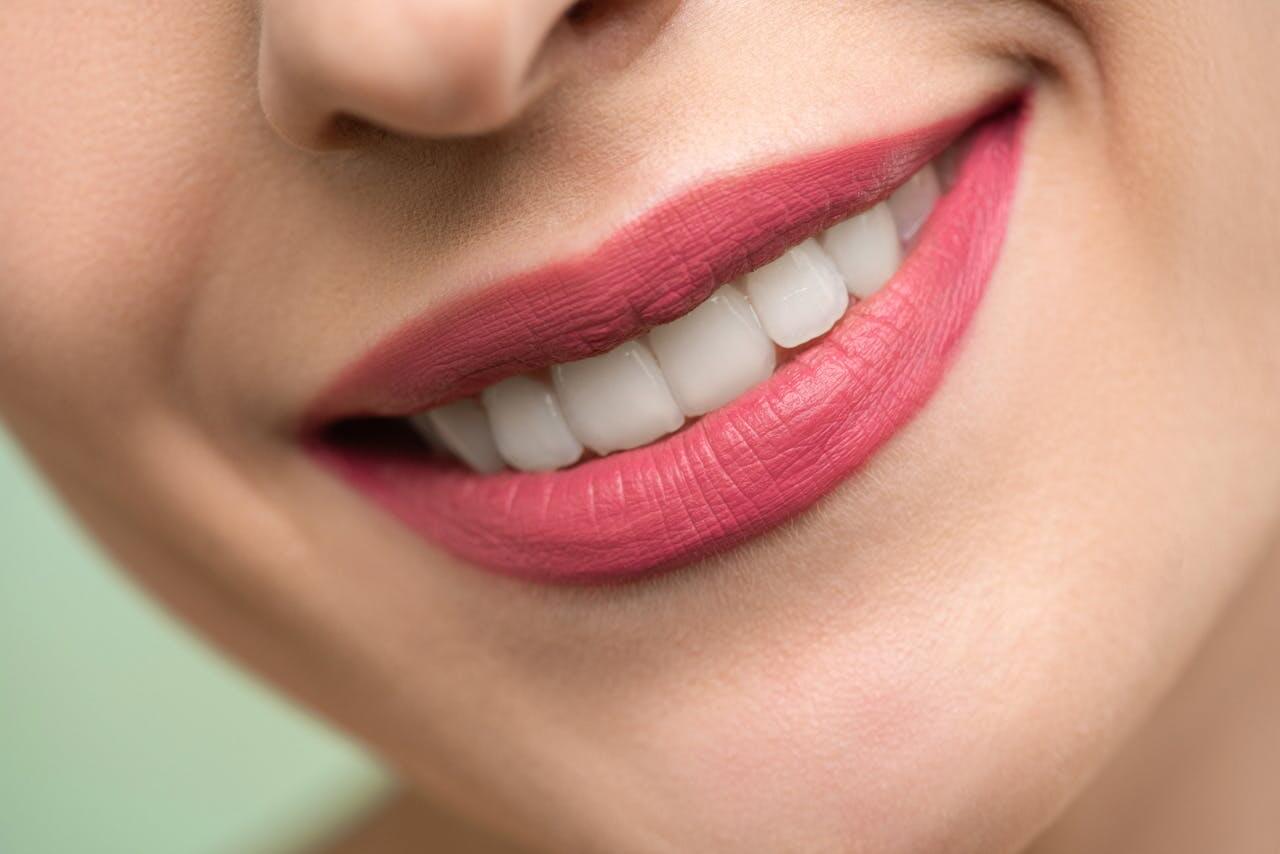
"Zahn" is masculine in German — the correct article is der. The plural is die Zähne. In English, Zahn means "tooth".
Gender rule: der Zahn is masculine. Body part nouns in German have mixed genders — der Zahn, die Schulter, das Ohr — so there is no reliable ending-based rule here. The safest approach is always to learn every noun with its article from the start. See all gender patterns in the Article Rules and a full overview at the german articles.
Der Zahn is an A1 vocabulary word that every German learner needs early on. It appears in everyday contexts — from dental care to expressions of pain — and is a good example of the masculine declension pattern with an umlaut plural: die Zähne. The plural adds an umlaut (a → ä) and -e — the same pattern as der Kopf → die Köpfe and der Bauch → die Bäuche. Understanding how cases work with masculine nouns like der Zahn is an important step at A1 level. For more body part nouns, also see der Knochen and die Schulter.
Zahn — Declension Table
| Case | Singular | Plural |
|---|---|---|
| Nominative | der Zahn | die Zähne |
| Genitive | des Zahnes | der Zähne |
| Dative | dem Zahn | den Zähnen |
| Accusative | den Zahn | die Zähne |
Example Sentences with Zahn
Der Zahn schmerzt seit zwei Tagen und lässt sich nicht mehr ignorieren.
(The tooth has been hurting for two days and can no longer be ignored.) — Nominative
Das Kind verliert den Zahn beim Beißen in einen Apfel.
(The child loses the tooth while biting into an apple.) — Accusative
Die Krone sitzt fest auf dem Zahn und fällt nicht ab.
(The crown sits firmly on the tooth and does not come off.) — Dative
Die Wurzel des Zahnes reichte tief ins Zahnfleisch.
(The root of the tooth reached deep into the gum.) — Genitive
Ihre Zähne glänzen weiß, nachdem sie sie geputzt hat.
(Her teeth gleam white after she has brushed them.) — Nominative Plural
Mit den Zähnen kann man Nüsse knacken, aber das ist nicht empfehlenswert.
(You can crack nuts with your teeth, but it is not advisable.) — Dative Plural
Related Words & Compounds
Word family (Wortfamilie):
- das Zähnchen — little tooth (diminutive)
- zahnen — to teethe (verb, used for babies cutting their first teeth)
Common compounds (Komposita):
- die Zahnbürste — toothbrush
- die Zahnpasta — toothpaste
- der Zahnarzt — dentist (lit. tooth doctor)
- das Zahnfleisch — gum (the gum tissue around the teeth)
Common Mistake with Zahn
❌ Common mistake: Meine Zähnen tun weh.
✅ Correct: Meine Zähne tun weh.
💡 Why: The plural of der Zahn is die Zähne — not Zähnen. The form Zähnen exists only as the dative plural: mit den Zähnen. As a standalone plural after an article, Zähnen is always wrong — use die Zähne in the nominative and accusative.
Quick Quiz: Test Your Knowledge
Can you get all three right? Apply what you've learned above.
1. Die Krone sitzt fest auf ___ Zahn.
- A) den
- B) des
- C) dem
Check Answer
The preposition auf can take either accusative (movement toward) or dative (location/rest). The crown is sitting on the tooth — a fixed position, no movement — so the dative is required: auf dem Zahn. For masculine nouns, the dative article is dem. Option A) den is accusative. Option B) des is genitive.
2. Die Wurzel ___ Zahnes reichte tief ins Zahnfleisch.
- A) dem
- B) der
- C) des
Check Answer
"Die Wurzel ___ Zahnes" — whose root? The tooth's. This is a possession relationship expressed with the genitive case. For masculine nouns, the genitive article is des and the noun adds -es: des Zahnes. Option A) dem is dative. Option B) der is the genitive article for feminine nouns.
3. Ein locker___ Zahn ist bei Kindern ganz normal.
- A) -e
- B) -en
- C) -er
Check Answer
After an indefinite article in the nominative with a masculine noun, the adjective ending is -er: ein lockerer Zahn. Because ein does not carry a visible masculine signal in the nominative (it looks the same as neuter ein), the adjective must carry the gender signal — this is the strong ending -er. Option A) -e is used after a definite article in the nominative. Option B) -en is the weak ending used in most other case-gender combinations.
Want to drill more nouns like this? The Article Trainer gives you 600+ nouns to practice — pick the article, get instant feedback, and stop guessing.
More Body Part Nouns
- der Arm — the arm
- der Bauch — the belly / stomach
- das Bein — the leg
- der Finger — the finger
- das Gesicht — the face
- der Hals — the neck / throat
- die Hand — the hand
- das Herz — the heart
- die Haut — the skin
- das Knie — the knee
- der Knochen — the bone
- der Kopf — the head
- der Muskel — the muscle
- die Nase — the nose
- das Ohr — the ear
- der Rücken — the back
- die Schulter — the shoulder
For the full list with articles and plurals, see the Body Parts Vocabulary page. You can also browse more topic-based word lists in the German Vocabulary Overview and test yourself with the Vocabulary Quizzes.
Is it der, die, or das Zahn? Practice makes perfect.
The Article Trainer gives you 600+ nouns to drill — from everyday vocabulary to family, food, and much more. Pick the article, get instant feedback, and stop guessing.
Practice German Articles →Frequently Asked Questions
Is Zahn masculine, feminine, or neuter in German?
Zahn is masculine — the correct article is der. Body part nouns in German have mixed genders, so there is no reliable rule to predict them. The best habit is always to learn every noun with its article from the start. For a full overview of gender patterns, see the Article Rules.
What is the plural of Zahn in German?
The plural is die Zähne — the vowel takes an umlaut (a → ä) and -e is added. Do not use Zähnen as a standalone plural — Zähnen is only correct in the dative plural: mit den Zähnen. The nominative and accusative plural are both die Zähne. In the dative plural, a further -n is added: den Zähnen.
What is the difference between Zahn and Zahnfleisch in German?
Der Zahn refers to the tooth itself — the hard calcified structure. Das Zahnfleisch refers to the gum — the soft tissue surrounding the base of the teeth. Both words are needed in dental contexts: Zahnschmerzen (toothache) involves der Zahn, while Zahnfleischbluten (bleeding gums) involves das Zahnfleisch.
What is the genitive of der Zahn?
The genitive singular is des Zahnes — the shorter form des Zahns is equally correct standard German. Masculine nouns add -es or -s in the genitive singular. See the Cases Overview for more detail.