
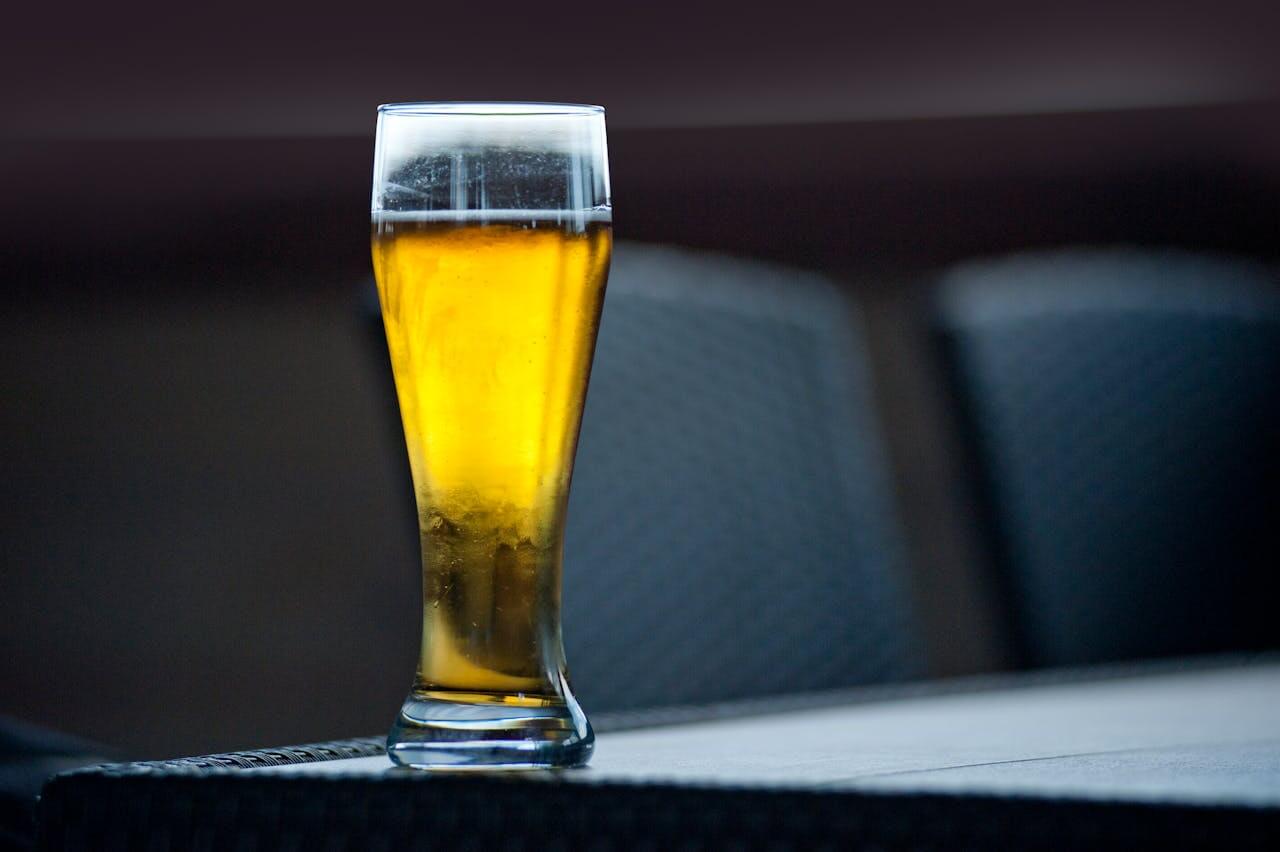
Bier is neuter in German — the correct article is das. The plural is die Biere. In English, Bier translates to beer.Das Bier is a universally known and culturally significant part of the German food and drinks vocabulary. Whether you are visiting a German festival, ordering at a restaurant, or relaxing after work, knowing how to decline this noun is a must. Below you'll find the full declension, example sentences, and a grammar quiz.
Gender rule: While many alcoholic drinks in German are masculine (like der Wein, der Wodka, der Schnaps), Bier is a famous exception and is neuter. See all gender patterns in the Article Rules and a full overview at the German Articles.
Bier — Declension Table
| Case | Singular | Plural |
|---|---|---|
| Nominative | das Bier | die Biere |
| Genitive | des Bieres / Biers | der Biere |
| Dative | dem Bier | den Bieren |
| Accusative | das Bier | die Biere |
Example Sentences with Bier
Das kalte Bier steht schon auf dem Tisch.
(The cold beer is already on the table.) — Nominative
Er bestellt ein großes Bier für sich.
(He orders a large beer for himself.) — Accusative
Zu dem Bier essen wir traditionell eine Brezel.
(We traditionally eat a pretzel with the beer.) — Dative
Der bittere Geschmack des Bieres gefällt mir nicht.
(I don't like the bitter taste of the beer.) — Genitive
Die Biere aus dieser Brauerei sind weltbekannt.
(The beers from this brewery are world-famous.) — Nominative Plural
Auf dem Fest gibt es eine riesige Auswahl an Bieren.
(At the festival, there is a huge selection of beers.) — Dative Plural
Related Words & Compounds
Word family (Wortfamilie): das Bierchen (little beer — diminutive)
Common compounds (Komposita): der Biergarten (beer garden), das Weißbier (wheat beer), das Fassbier (draft beer), das Bierglas (beer glass), die Bierflasche (beer bottle)
Common Mistake with Bier
❌ Common mistake: Der Bier ist heute besonders günstig.
✅ Correct: Das Bier ist heute besonders günstig.
💡 Why: A very common grammatical trap! Many German learners memorize that alcoholic drinks are masculine (der Wein, der Wodka, der Schnaps, der Sekt). Because of this rule, they wrongly assume it is "der Bier". However, das Bier is a major exception to this pattern and is always neuter.
Quick Quiz: Test Your Knowledge
Can you get all three right? Apply what you've learned above.
1. Manche Leute trinken gerne einen Schnaps zu ___.
- A) das Bier
- B) dem Bier
- C) den Bier
Check Answer
The preposition zu always requires the dative case. Neuter dative = dem: zu dem Bier.
2. ___ aus Bayern schmeckt vielen Touristen sehr gut.
- A) Der Bier
- B) Die Bier
- C) Das Bier
Check Answer
Here, beer is the subject of the sentence, which requires the nominative case. Neuter nominative = das: Das Bier.
3. Er trinkt am Abend gerne ein kalt___ Bier.
- A) -es
- B) -en
- C) -e
Check Answer
After the indefinite article ein in the accusative neuter, the adjective ending is -es: ein kaltes Bier.
More Food Nouns & Vocabulary
- der Saft — the juice
- der Tee — the tea
- der Kaffee — the coffee
- die Suppe — the soup
- der Fisch — the fish
- das Fleisch — the meat
- die Kartoffel — the potato
- die Nudel — the noodle / pasta
- der Reis — the rice
- das Brot — the bread
- der Käse — the cheese
- die Butter — the butter
- die Milch — the milk
- das Ei — the egg
- der Apfel — the apple
- die Banane — the banana
- die Orange — the orange
For more themed vocabulary lists, explore the Vocabulary overview list, practice with the food and drinks vocabulary, or browse the full grammar overview to master your German cases and vocabulary.
Is it der, die, or das? Practice makes perfect.
The Article Trainer gives you 600+ nouns to drill — including everyday vocabulary. Pick the article, get instant feedback, and stop guessing.
Practice German Articles →Frequently Asked Questions
Is Bier masculine, feminine, or neuter in German?
Bier is neuter — the correct article is das. While many alcoholic beverages in German take the masculine article (e.g., der Wein, der Wodka), Bier is a notable exception. Compound words ending in "-bier" (like das Weißbier) also inherit this neuter gender.
What is the plural of Bier in German?
The plural is die Biere. You form it by simply adding an "-e" to the word. Note that Germans often use the singular form when ordering a specific quantity, such as "zwei Bier" instead of "zwei Biere".
How do you say beer glass in German?
A beer glass translates to das Bierglas. As a compound noun, it takes its neuter gender from the final word, das Glas.